

Background
As a software house grows, there comes a point when the founder can no longer handle all development personally.
That was exactly the position of Nicolas Ricardi, founder of Nube, a software house that builds digital products for Italian companies.
As the number of projects increased, Nicolas needed to expand the team’s development capacity without hiring a full-time employee. Working with freelancers or external agencies seemed like the natural solution.
The problem was that almost every quote was based on daily or hourly rates, which would have cost nearly twice as much as my subscription model over time.
After finding my website, Nicolas joined the waiting list, interested in a different model: a developer integrated into the team through a flexible and predictable collaboration.
Our first call was almost a formality. We immediately understood each other and began working together in November.
The project
The collaboration with Nube was not limited to one project. We worked across several parallel initiatives, as often happens in a software house:
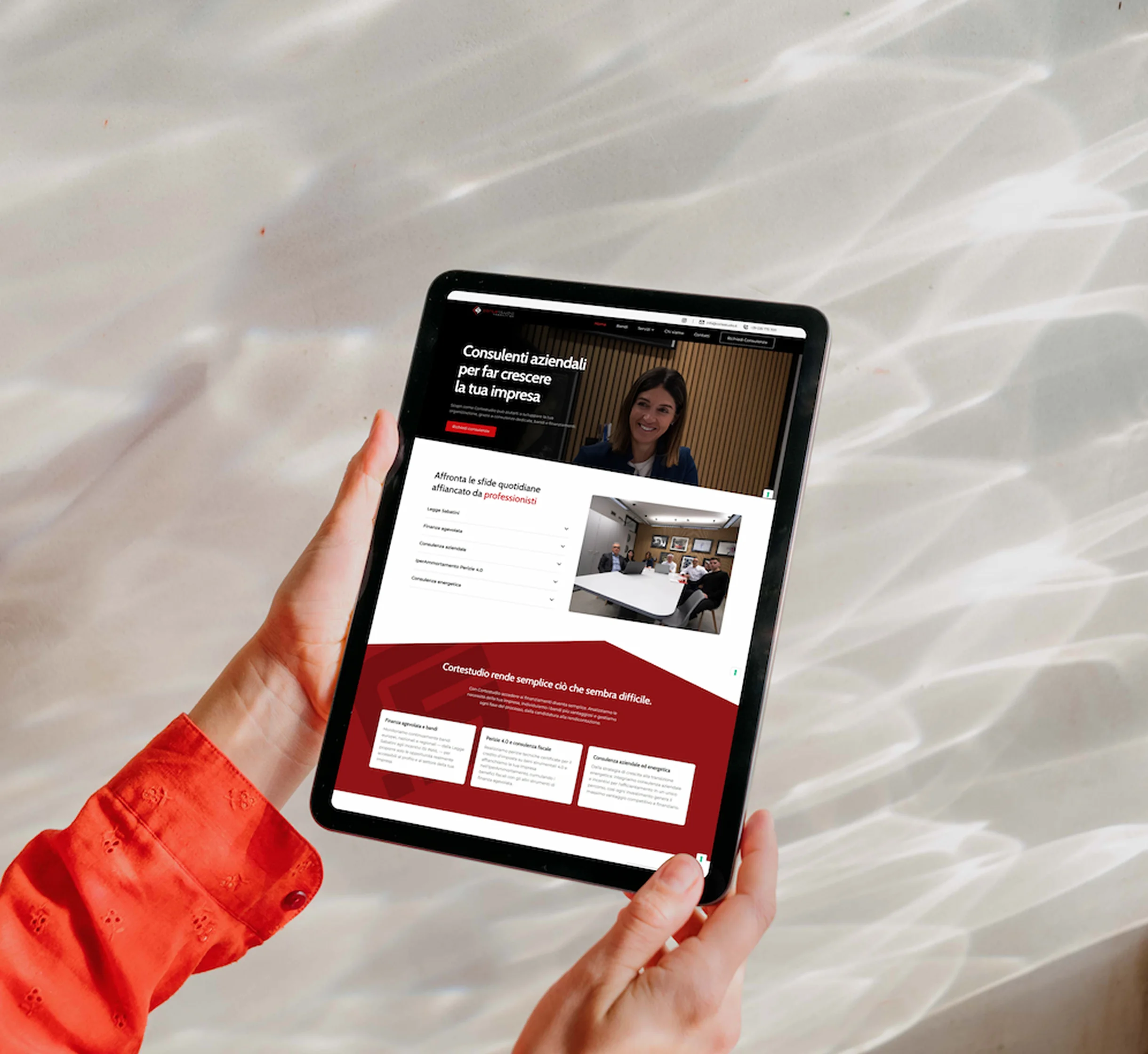
- A multi-page website for a financial consulting firm, developed closely with the design team.
- An event management platform connecting hosts and staff with events, fairs, and conferences.
- The foundations of custom management dashboards for clients in different sectors.
The technology stack included:
- Next.js
- Astro
- TypeScript
- Tailwind CSS
- Supabase
The goal was not merely to develop quickly, but to preserve code quality and scalability.
The challenges
Supporting a software house presents different challenges from working with a single end client:
- Flexible support: Nube needed ongoing help without the constraint of a standard eight-hour day.
- Multiple projects: work had to move between products while maintaining a consistent pace.
- A sustainable long-term budget: daily-rate proposals from other freelancers would have made the collaboration too expensive.
The subscription model addressed these challenges while maintaining clear costs and continuous delivery.
The results
After the first months, the results were concrete and measurable. In about three months, I completed more than 40 tasks across multiple projects.
Key outcomes included:
- A multi-page website completed in one week, built with Astro and Tailwind and optimized for performance.
- An event management platform with customer and super-admin dashboards built with Next.js, TypeScript, and Supabase.
- A consistent development pace, with tasks managed in Notion and fast communication through Discord.
This allowed Nicolas to focus more time on relationships and business development while maintaining high delivery speed.
The impact of the subscription model
For a software house like Nube, the subscription model provided:
- a developer integrated into the team,
- predictable costs,
- flexibility as workloads changed,
- fast task delivery.
It became a practical middle ground between hiring an employee and relying on occasional freelancers, improving both development speed and process and code quality.
Want to be next?
If you run a software house or digital product and need more development capacity without making a full-time hire, this subscription model may be the right fit.
Book a free call and tell me about your project.